

When to Call for a Lock Change and Repair: A Homeowner’s Guide
Your home’s locks play a crucial role in keeping your family and property safe. But over time, even the best-quality locks start showing signs of wear and may need attention from a professional. As a homeowner, it can be challenging to know whether you need a simple repair or a full lock replacement. Whether you’re dealing with a residential issue, need the expertise of a Commercial Locksmith, or require fast help from an Emergency Locksmith, understanding the warning signs can help you make the right decision. This guide will walk you through the biggest indicators so you can act before a minor problem becomes a major security risk.
Is It a Repair or a Full Replacement?
One of the most common questions homeowners ask is whether their lock actually needs to be replaced or if a repair is enough. The truth is, not every lock problem requires a full replacement. Some issues can be fixed quickly with professional attention, especially if the lock is still structurally strong and not outdated.
However, if your lock is damaged beyond repair, has weakened over time, or presents a security concern, replacement is the safer choice. A locksmith can inspect the internal mechanism, identify the root cause, and recommend the most cost-effective solution.
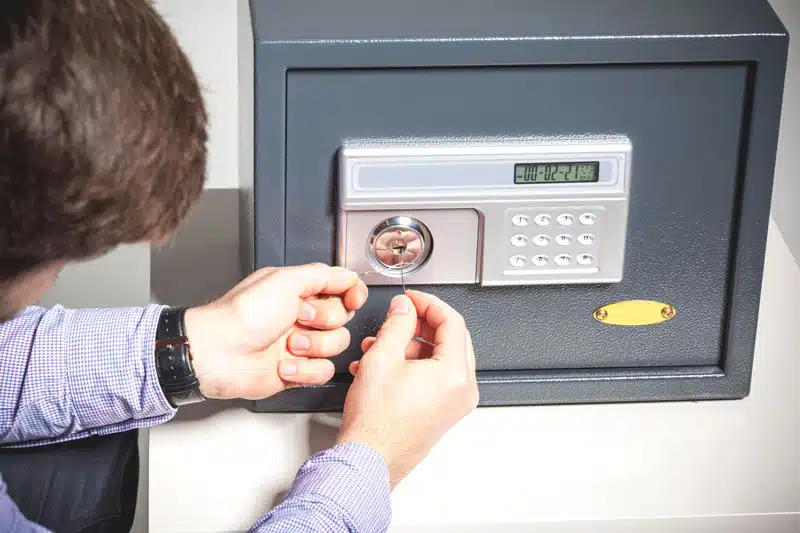
Signs You Need a Door Lock Repair
Many common lock issues are repairable. If you notice the following problems, a professional locksmith can often restore your lock’s function without needing a full replacement.
1. The Key is Difficult to Turn
A stiff or hard-to-turn key is one of the most frequent issues homeowners face. This can happen due to dust buildup, worn internal components, or even slight misalignment inside the cylinder. In most cases, this is a repairable problem. A locksmith can clean, lubricate, or adjust the cylinder to get your lock working smoothly again.
2. The Lock is Loose or Rattles
A loose lock isn’t just annoying—it can also compromise your home’s security. Loose screws, worn mounting plates, or misaligned parts can cause the lock to rattle when the door moves. If the lock body is still intact, tightening and readjusting the components can usually fix the issue.
3. The Latch Doesn’t Align with the Strike Plate
If your door doesn’t latch properly or requires extra force to close, the latch and strike plate may be misaligned. This often happens when doors shift over time due to humidity changes or natural settling of the house. Fortunately, this is a simple repair that may only require repositioning the strike plate or adjusting the hinges.
When a Lock Change is the Only Option
Some situations require a complete lock replacement to ensure your home remains fully secure. Here are the most common reasons to opt for a lock change:
1. You’ve Moved into a New Home
Anytime you move into a new house or apartment, changing the locks should be your first priority. You simply don’t know who has copies of the old keys—real estate agents, contractors, or previous tenants. Installing new locks gives you full control and peace of mind.
2. In the Case of a Stolen or Lost Key
If your keys have been lost or stolen, your home becomes vulnerable. Even if someone returns your key, there’s no way to know if a copy was made. The safest solution is to replace the lock entirely or rekey it, depending on the lock’s condition.
3. You Have a Worn-Out or Faulty Lock
Locks naturally wear down over time. If your lock sticks frequently, shows visible damage, or fails to secure the door properly, it’s time for a replacement. Continuing to use a faulty lock puts your home at risk and may eventually lead to the lock failing completely.
4. You Want to Improve Security
If you want to upgrade the safety of your home, changing your locks is the best place to start. Modern high-security locks offer better protection against picking, drilling, and forced entry. Smart locks also provide keyless convenience and remote access—ideal for homeowners looking to enhance security and convenience.
What to Do Next
If you’re unsure whether your lock needs repair or replacement, the best step is to schedule an inspection with a licensed locksmith. They can evaluate the lock’s condition, identify any hidden issues, and recommend the most secure and cost-effective option. Don’t wait until your lock fails completely—addressing the problem early saves you money and prevents potential security risks.
Conclusion
Knowing when to repair or replace your home’s locks is an important part of maintaining your security. Minor issues like a stiff key or misaligned latch can often be repaired quickly, while major concerns like lost keys, break-ins, or old worn-out locks require a full replacement. If you’re experiencing any of these signs, contacting a professional locksmith ensures your home stays protected and secure.
FAQ
How do I know if I need a lock repair or a full replacement?
You may only need a repair if your key is hard to turn, the lock feels loose, or the latch is misaligned. These are usually quick fixes. However, if your lock is old, damaged, or compromised due to lost or stolen keys, a full replacement is safer. A Commercial Locksmith or residential locksmith can inspect the lock and recommend the right solution based on its condition.
When should I call an Emergency Locksmith?
You should call an Emergency Locksmith if you’re locked out, your key breaks inside the lock, or you suspect someone unauthorized has access to your keys. Emergency locksmiths are available 24/7 and can quickly secure your home by repairing or replacing the lock on the spot. Immediate help is crucial to prevent security risks.